Gum Recession Treatment
Gum Recession Treatment provided by Our Expert Dentists
in Bells, Jackson, Milan & Lexington, TN at Premier Dental Center
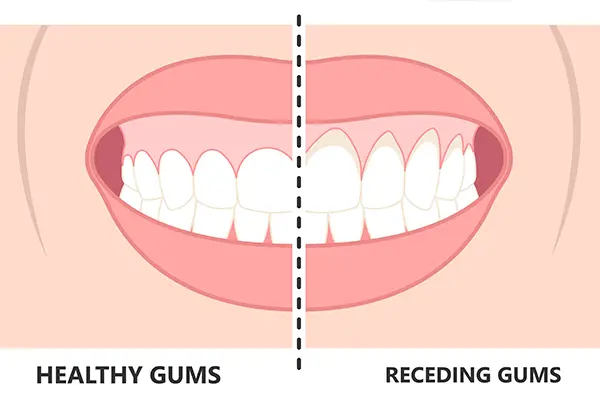 Gum recession is the gradual pulling back of the gum tissue from the teeth, exposing more of the tooth and sometimes the root, and Premier Dental Center treats it at our Bells, Jackson, Milan, and Lexington, TN offices by targeting whatever is causing it. Gum recession is the gradual pulling back of the gum tissue from the teeth, exposing more of the tooth and sometimes the root, and Premier Dental Center treats it at our Bells, Jackson, Milan, and Lexington, TN offices by targeting whatever is causing it.
Receding gums often show up as teeth that look longer than they used to, a notch or sensitivity near the gumline, or a root that feels exposed. Because recession has several possible causes, effective treatment starts with figuring out yours.
One thing to know early: gum tissue that has receded does not grow back on its own. The goal of treatment is to stop the recession from getting worse, treat any underlying cause, and, in more advanced cases, discuss options for covering the exposed root.
Gum recession is one piece of our broader periodontal care; here we focus on what causes recession and how it is treated.
On This Page
What Is Gum Recession?
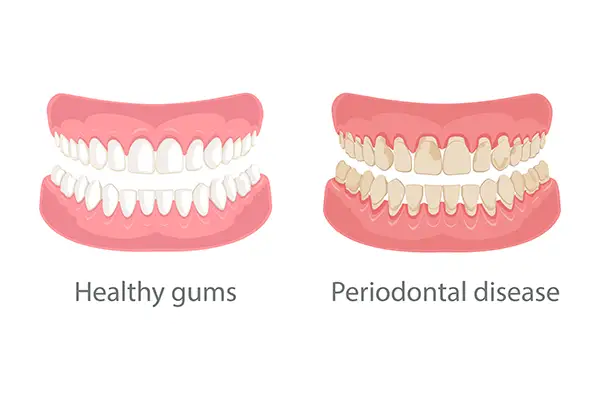 When gums recede, the tissue that normally hugs the base of each tooth retreats, leaving more of the tooth, and eventually the softer root surface, uncovered. Because the root is not protected by enamel, an exposed root is more prone to sensitivity and decay than the rest of the tooth. When gums recede, the tissue that normally hugs the base of each tooth retreats, leaving more of the tooth, and eventually the softer root surface, uncovered. Because the root is not protected by enamel, an exposed root is more prone to sensitivity and decay than the rest of the tooth.
What Causes Gum Recession
Recession has more than one cause, and a person can have more than one at the same time. The common ones we see are brushing too hard or with a stiff brush over many years, periodontal disease that destroys gum and bone, teeth grinding or clenching that stresses the gumline, teeth that are crowded or out of alignment, and simple genetics, since some people have thinner gum tissue to begin with. Tobacco use and age contribute as well. Identifying which factors are at work in your mouth is the part that makes treatment effective, because treating recession without addressing the cause just lets it continue.
Why Gum Recession Matters
Beyond appearance, recession exposes you to a few real problems. Exposed roots are sensitive to hot, cold, and sweet, which is why recession and tooth sensitivity so often go together. Those exposed surfaces also decay more easily. And when recession is driven by periodontal disease, the same process thinning your gums is affecting the bone too, which can eventually loosen teeth if it goes unchecked. Recession from disease often shows up alongside bleeding gums, so the two are worth evaluating together.
Your Gum Recession Care Team
At Premier Dental Center, treating gum recession starts with an exam by our doctors and hygienists to pin down the cause, since the right treatment depends entirely on what is driving it. We have served West Tennessee families since 1979, and that experience helps us tell the difference between recession that needs active periodontal treatment and recession that is stable but worth monitoring.
Dr. Steven Kail is certified in Laser Dentistry. When recession is tied to periodontal disease, we can use a soft tissue laser to treat the diseased gum tissue as part of controlling the condition – more on that on Dr. Kail's bio page and our Dental Technology page. The laser treats the disease behind the recession; it does not regrow lost tissue, and we are clear about that distinction so your expectations match what the treatment can actually do.
When a case calls for surgically covering an exposed root with a gum graft, that is work best handled by a periodontal specialist. We refer you to one we trust rather than overpromising what we do in-house.
How We Treat Gum Recession
Treatment for gum recession is built around its cause, so no two plans look exactly alike. The constant is that we address the underlying driver first, because covering or monitoring the recession means little if the cause keeps working.
1. Finding the Cause
We examine your gums, measure pocket depths, check your bite, and ask about your brushing habits and history. This tells us whether the recession comes from aggressive brushing, periodontal disease, grinding, alignment, or a combination, which determines everything that follows.
2. Treating the Underlying Cause
If the driver is periodontal disease, we treat it, often with a deep cleaning and, when appropriate, the soft tissue laser. If it is aggressive brushing, we coach you on a gentler technique and the right brush. If it is grinding or clenching, a custom night guard can take the pressure off the gumline; our page on bruxism explains how that habit damages teeth and gums. Stopping the cause is what keeps the recession from advancing.
3. Managing Sensitivity and Exposed Roots
Exposed roots can be sensitive and more prone to decay. We can apply treatments that reduce sensitivity and protect the root surface, and we keep a closer eye on those areas at your cleanings so a small spot of decay does not become a larger problem.
4. Surgical Options for Advanced Recession
When recession is severe enough that covering the exposed root makes sense, gum grafting is the surgical option. This is specialist work, so we coordinate a referral to a periodontist rather than performing it in-house. We will explain when grafting is worth considering and what it involves so you can make an informed decision.
Benefits of Treatment
 Treating gum recession is less about cosmetics and more about stopping a slow problem before it costs you teeth. Treating gum recession is less about cosmetics and more about stopping a slow problem before it costs you teeth.
Stops the Recession From Getting Worse
Recession does not reverse on its own, but it can usually be halted once the cause is handled. The exam we do up front is what identifies that cause, so the treatment actually stops the progression rather than chasing the symptom.
Reduces Sensitivity on Exposed Roots
Exposed roots react to temperature and sweets. Treating the recession and protecting those root surfaces, then watching them at your regular cleanings, usually brings that day-to-day sensitivity down to something manageable.
Protects Teeth From Decay and Loss
Exposed roots decay faster than enamel-covered surfaces, and recession driven by periodontal disease threatens the bone too. Addressing both, and tracking the at-risk areas at each visit, is how we help you keep teeth that recession would otherwise put at risk over time.
Gives You an Honest Picture
Because we tell you plainly what is causing your recession and what each option can and cannot do, including when a graft is worth a specialist referral, you can make a decision based on facts rather than pressure.
Why Patients Choose Our Practice
The thing that most shapes how we handle gum recession is honesty about what causes it and what can fix it. Since 1979, our offices across Bells, Jackson, Milan, and Lexington have treated recession by finding the driver first, whether that is brushing pressure, grinding, or periodontal disease, and treating that, rather than reaching for a one-size approach.
We are also straight about the limits. Receded tissue does not grow back on its own, and when covering an exposed root calls for a gum graft, that is specialist surgery we refer out rather than perform in-house. You will hear the honest version of what we can do here and what is better handled elsewhere, and your records travel with you across all four offices so any referral or follow-up picks up where we left off.
Cost and Insurance
Cost depends on what we are treating, so the honest starting point is the exam. If the fix is a brushing change and monitoring, the cost is minimal. If periodontal disease is driving the recession and needs a deep cleaning, the fee reflects how much treatment is required. If a graft and a specialist referral enter the picture, the specialist sets those fees separately, and we will tell you that upfront. We go over our portion with you before scheduling.
Insurance often covers the periodontal evaluation and treatments like scaling and root planing when the diagnosis supports them. Coverage for sensitivity treatments and any surgical referral varies, so we verify your specific benefits before treatment. Our insurance and financing options include third-party plans through Cherry, Sunbit, and CareCredit if you need to spread costs over time.
If you are uninsured, ask about our membership plans, which include cleanings, exams, and a discount on additional treatment.
Schedule Your Visit
If your gums look like they are pulling back or your teeth have grown sensitive near the gumline, the next step is an exam to find out why. Call us at 731-300-3000 or schedule an appointment online to get started. We will see you at any of our four West Tennessee offices. Our Jackson location is at 80 Exeter Rd, Jackson, TN 38305. Addresses and hours for the Bells, Milan, and Lexington offices are on our Locations page.
Frequently Asked Questions
Can gum recession grow back?
No. Once gum tissue has receded, it does not regenerate on its own, and no toothpaste or rinse will rebuild it. What treatment can do is stop the recession from getting worse by removing the cause, and in more advanced cases, a gum graft performed by a specialist can cover an exposed root. The earlier recession is caught, the less tissue you lose.
What causes gum recession?
Usually more than one thing. Brushing too hard over years, periodontal disease, grinding or clenching, crowded or misaligned teeth, thin gum tissue you inherited, tobacco, and age all contribute. We identify which factors apply to you, because treating recession without fixing the cause lets it keep advancing.
Is gum recession serious?
It can be, depending on the cause and how far it has gone. Mild recession from brushing may simply need a technique change and monitoring. Recession driven by periodontal disease is more serious, because the same process is affecting the bone that holds your teeth. The exam tells us which situation you are in.
Do I need surgery for receding gums?
Not usually. Most recession is managed by treating the cause and protecting the exposed roots, with no surgery involved. A gum graft comes into the conversation only when recession is advanced enough that covering the root is worthwhile. That is specialist work, so we would refer you to a periodontist and explain why before anything is decided.
Why are my teeth sensitive where the gums have receded?
The root surface exposed by recession is not covered by enamel, so it reacts more to hot, cold, and sweet than the rest of the tooth. Treating the recession and protecting those surfaces usually reduces the sensitivity, and our sensitive teeth treatment options can help with what remains.
If I brush harder, will it clean better and help my gums?
It is actually the opposite. Brushing hard, especially with a stiff brush, is one of the leading causes of recession because it wears the gum tissue down over time. A soft-bristled brush and a gentle technique clean just as well without the damage. We are glad to show you the technique at your visit.
Does insurance cover gum recession treatment?
The periodontal evaluation and disease treatments like scaling and root planing are often covered when the diagnosis supports them. Coverage for sensitivity treatments or a surgical referral varies by plan. We verify your specific insurance and financing benefits before treatment so you know what to expect.
What happens if I leave gum recession untreated?
It tends to continue, because the cause keeps working. Exposed roots stay sensitive and become more likely to decay, and if periodontal disease is the driver, the underlying bone loss can eventually loosen teeth. Treating the cause early is far simpler than managing the consequences later. |