Knocked-Out Tooth Treatment
Knocked-Out Tooth Treatment provided by Our Expert Dentists
in Bells, Jackson, Milan & Lexington, TN at Premier Dental Center
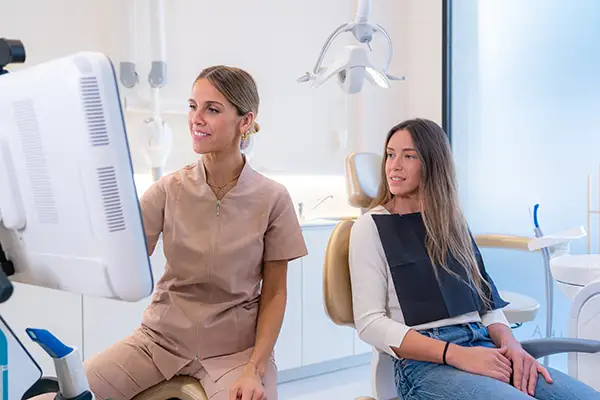 A knocked-out tooth is a true dental emergency, and the first hour matters most. If this just happened to you in or near Bells, Jackson, Milan, or Lexington, TN, call Premier Dental Center right now at 731-300-3000. The faster we see you, the better the chance of saving the tooth. A knocked-out tooth is a true dental emergency, and the first hour matters most. If this just happened to you in or near Bells, Jackson, Milan, or Lexington, TN, call Premier Dental Center right now at 731-300-3000. The faster we see you, the better the chance of saving the tooth.
A permanent tooth that’s been completely knocked out, what dentists call an avulsed tooth, can sometimes be put back in place and saved if you act quickly. The window is roughly 30 to 60 minutes, so what you do in the next few minutes counts. It’s one of the most time-sensitive situations our emergency dentistry care handles, and the steps below can make the difference.
After you’ve called us, the guidance here will help you protect the tooth on your way in.
On This Page
What to Do Right Now for a Knocked-Out Tooth
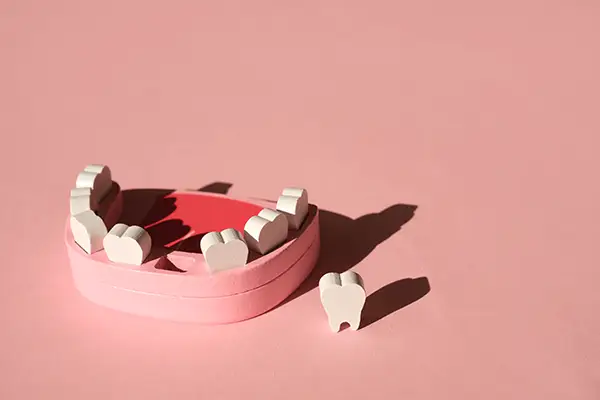 If a permanent tooth has been knocked out, take these steps while you head to our office. They give the tooth its best chance. If a permanent tooth has been knocked out, take these steps while you head to our office. They give the tooth its best chance.
- Pick it up by the crown – Handle the white chewing part, never the root. Touching the root can damage the cells needed for it to reattach.
- Rinse it gently – If it’s dirty, rinse briefly with milk or clean water. Don’t scrub it, and don’t remove any tissue attached to it.
- Try to put it back – If you can, gently place the tooth back in its socket and hold it there by biting down softly on clean gauze or cloth.
- If you can’t reinsert it, keep it moist – Store the tooth in a cup of milk, or tuck it inside your cheek. Don’t let it dry out, and avoid storing it in plain water for long.
- Get to us fast – A tooth reinserted within 30 to 60 minutes has the best chance of being saved, so call ahead and come straight in.
These steps apply to permanent teeth. A knocked-out baby tooth is handled differently and should not be reinserted, which can damage the developing permanent tooth underneath, but a child who has lost a tooth in an accident should still be seen to check for other injuries.
Why the First Hour Matters So Much
The root of a tooth is covered in living cells that can reattach to the socket, but only while they stay alive. Keeping the tooth moist in milk or saliva and getting to us quickly keeps those cells viable. Once the tooth dries out, the odds of successful reattachment drop sharply, which is why a knocked-out tooth is one of the few dental situations measured in minutes.
Your Emergency Care Team
Our doctors at Premier Dental Center have handled dental emergencies for West Tennessee families since 1979. A knocked-out tooth calls for fast, calm decision-making, and our four offices mean a trained team is usually close by when minutes count.
Across the practice, our training covers both the immediate work of reimplanting and stabilizing a tooth and the longer-term options if it can’t be saved. Our team’s implant training, including roughly 400 hours of continuing education and American Academy of Implant Dentistry membership, means that if a tooth can’t be reattached, we can plan a natural-looking replacement with the same team. For anxious patients, sedation is available. More about our doctors on our About Us page.
What Happens When You Arrive
When you reach our office with a knocked-out tooth, our team is ready to move quickly.
Step 1: Immediate Assessment
We treat knocked-out tooth cases as urgent and bring you straight back, helped by our Jackson office’s extended Monday and Tuesday hours. Our doctor examines the socket, the tooth if you’ve brought it, and the surrounding area, checking for other injuries to the mouth and jaw at the same time.
Step 2: Reinserting and Stabilizing
If the tooth is viable, our doctor places it back in the socket and secures it with a small splint that holds it to the neighboring teeth while the ligament heals. A digital X-ray confirms the position and checks for damage to the bone or nearby teeth.
Step 3: If the Tooth Can’t Be Saved
Sometimes a tooth has been out too long, is fractured, or the root is too damaged to reattach. When that happens, we focus on your comfort and walk you through replacement options so you leave with a clear plan rather than just a gap.
Step 4: Follow-Up Care
A reimplanted tooth needs monitoring as it heals, and some cases later need a root canal once the tooth has stabilized. We schedule follow-up visits to check that the tooth is healing and reattaching as it should, and we tell you exactly what to watch for at home.
Why Acting Fast Matters
With a knocked-out tooth, speed is everything. The single biggest factor in whether a tooth can be saved is how quickly it’s properly stored and reinserted.
A tooth that’s reimplanted within the first half hour has a strong chance of reattaching, while one that’s been dry for over an hour is far harder to save. That’s the whole reason the steps above stress handling the tooth carefully and keeping it moist.
| • |
Best Chance to Save the Tooth – Reaching us quickly with the tooth kept moist gives the natural tooth its highest odds of reattaching, which is why our four offices and extended Jackson hours matter in an emergency.
|
| • |
Keeping Your Natural Tooth – A saved natural tooth preserves your bite and the surrounding bone better than any replacement, and because our four offices keep care close, you can reach us fast enough to make saving it possible.
|
| • |
Simpler, Less Costly Outcome – Saving your own tooth is usually less involved than the implant or bridge we would otherwise plan in-house, so getting to one of our offices fast can spare you a longer, costlier path later.
|
| • |
A Clear Plan Either Way – Even if the tooth can’t be saved, being seen quickly lets us protect the socket and start planning a replacement, which our in-house implant training lets us handle without a referral. |
The takeaway is simple: pick the tooth up by the crown, keep it moist, and get to us fast. Those few minutes are the most important part of saving a knocked-out tooth.
Why Choose Our Team for a Knocked-Out Tooth
 Premier Dental Center has served West Tennessee since 1979, and in an emergency our four offices in Bells, Jackson, Milan, and Lexington mean a familiar team is usually close when you need one fast. Premier Dental Center has served West Tennessee since 1979, and in an emergency our four offices in Bells, Jackson, Milan, and Lexington mean a familiar team is usually close when you need one fast.
Timing is everything with an avulsed tooth, and our Jackson office’s 7am to 7pm Monday and Tuesday hours give us extended-hours room to see urgent cases. When you call ahead, we can be ready for you the moment you arrive.
We also handle the whole picture. If the tooth can be saved, our team reinserts and splints it and follows it through healing. If it can’t, our implant training means the replacement conversation happens right here, with dental implants and other options explained by the same people who treated the emergency. You’re not sent across town in the middle of a stressful day.
Above all, we’ll be straight with you about the tooth’s chances and never overpromise. Whatever the outcome, you’ll leave knowing the plan.
Knocked-Out Tooth Treatment Cost and Financing
In an emergency, cost shouldn’t be what stops you from calling, so be seen first and we’ll sort out the details together. What treatment costs depends on whether the tooth can be reinserted and splinted, needs a root canal afterward, or has to be replaced, and we explain the numbers clearly once we’ve assessed the situation.
Most dental insurance plans cover a portion of emergency treatment for a knocked-out tooth. Our front office team verifies your benefits and walks you through your estimated out-of-pocket cost. We list the plans we accept and the financing we offer through Cherry, Sunbit, and CareCredit with our insurance and financing options.
If a replacement ends up being the path forward, we’ll plan it around your budget, and our membership plan can help patients without dental insurance manage the cost. The priority right now, though, is getting you seen.
Call Us Now About Your Knocked-Out Tooth
Time matters with a knocked-out tooth. Call Premier Dental Center at 731-300-3000 right away, or if it’s not an active emergency you can request an appointment online. We serve patients across Bells, Jackson, Milan, and Lexington, TN. See all four office locations for hours and directions.
Frequently Asked Questions
Can a knocked-out tooth be saved?
Often, yes, if you act quickly. A permanent tooth reinserted within 30 to 60 minutes has the best chance of reattaching, especially if it was kept moist in milk or saliva. The longer the tooth is out and dry, the lower the odds. We can’t guarantee any tooth will reattach, but getting to us fast with the tooth handled correctly gives it the best possible chance.
How should I store the tooth on my way to the office?
The best option is to gently place it back in its socket and bite down softly on gauze to hold it. If you can’t, store it in a cup of milk, which keeps the root cells alive longer than water. Tucking it inside your cheek also works for an older child or adult who won’t swallow it. The key is keeping the tooth moist and getting to us quickly.
Should I rinse the tooth before putting it back?
Only briefly, and only if it’s dirty. Rinse it gently with milk or clean water for a few seconds, holding it by the crown. Don’t scrub it, use soap, or wipe it with a cloth, and don’t remove any soft tissue clinging to the root, because those cells are what help the tooth reattach.
What if my child knocked out a baby tooth?
A knocked-out baby tooth should not be put back in, because reinserting it can damage the permanent tooth developing underneath. That said, your child should still be seen so we can check for other injuries and make sure the area heals properly. Bring your child in and we’ll guide you on what to expect as the permanent tooth comes in later.
What if it’s been more than an hour?
Still call and come in. While the best window for reattachment is the first 30 to 60 minutes, it’s always worth being seen, because we need to examine the socket, manage any bleeding or other injuries, and protect the area. If the tooth can’t be saved, being seen promptly lets us preserve the socket and start planning a replacement so you’re not left with a gap.
Does reinserting a knocked-out tooth hurt?
We numb the area thoroughly before reinserting and splinting the tooth, so you shouldn’t feel pain during the procedure, and sedation is available if you’re anxious. Some tenderness afterward is normal as the area heals. Most patients are focused on saving the tooth, and the treatment itself tends to be more comfortable than they feared in the moment.
What are my options if the tooth can’t be saved?
If a tooth can’t be reattached, the main replacement options are a dental implant, which replaces the root and crown and looks and functions like a natural tooth, or a dental bridge that fills the gap using the neighboring teeth for support. We walk you through which fits your situation, and because we handle implants in-house, the whole plan stays with one team.
Is a knocked-out tooth always an emergency?
Yes, a fully knocked-out permanent tooth is a genuine emergency where minutes affect the outcome, so call us immediately. It’s part of the emergency dentistry care we provide. A tooth that’s loosened or pushed out of position but still attached is also urgent and should be seen the same day, though it isn’t quite as time-critical as one that’s come all the way out. |