Intraoral Camera: What It Reveals About Your Teeth
 Curious about the tiny dental camera your dentist uses during checkups? The intraoral camera is a powerful diagnostic tool that gives you a clear look inside your mouth—just like your dentist sees. At Premier Dental Center, we use this advanced technology to improve your dental care, educate you about your oral health, and ensure complete transparency during every dental exam. Curious about the tiny dental camera your dentist uses during checkups? The intraoral camera is a powerful diagnostic tool that gives you a clear look inside your mouth—just like your dentist sees. At Premier Dental Center, we use this advanced technology to improve your dental care, educate you about your oral health, and ensure complete transparency during every dental exam.
What Is an Intraoral Camera?
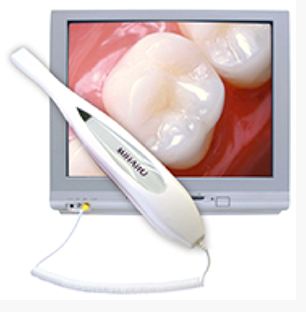
A dental camera for teeth, also known as an intraoral camera, is a pen-sized device equipped with a high-resolution lens that captures detailed images inside your mouth.
The device is small and non-invasive, designed to fit comfortably in the mouth without causing discomfort. It transmits a live video feed to a chairside monitor, so both you and the dentist can view your teeth and gums in real time.
This high-resolution mouth camera magnifies details that aren’t visible to the naked eye, making it a modern essential in dental diagnostics and patient education.
What the Intraoral Camera Shows
The tooth imaging camera allows your dentist to spot oral health issues early and with precision. Here’s what it can detect:
| • |
Cracks and Fractures - Hairline cracks in teeth that may be invisible without magnification.
|
| • |
Cavities and Tooth Decay - Early-stage decay, even between teeth, that may be missed in a visual-only exam.
|
| • |
Plaque and Tartar Buildup - Helps track areas prone to buildup so patients can improve home care.
|
| • |
Gum Inflammation - Identifies signs of gingivitis or periodontal issues before they worsen.
|
| • |
Back Molars and Hard-to-See Areas - Gives a full view of all tooth surfaces, even those that are hard to reach. |
Dentists often use the images for comparison, showing before-and-after shots of your treatment. These visuals are also saved in your record for future reference, aiding long-term oral health diagnostics.
Benefits of Intraoral Imaging for Patients
Intraoral cameras don’t just help dentists—they benefit patients in significant ways.
| • |
Visual Empowerment - You see exactly what the dentist sees, making it easier to understand your oral condition.
|
| • |
Improved Communication - Treatment plans and diagnoses are easier to explain with visual support.
|
| • |
Early Detection - Problems like small cavities or gum disease can be caught before they become serious.
|
| • |
Progress Tracking - You can monitor how your oral health improves or changes over time with clear images.
|
| • |
Reduced Anxiety - Visual proof makes findings more trustworthy and reduces fear of the unknown. |
These dental patient education tools help foster a more collaborative, informed, and comfortable dental experience.
How Intraoral Cameras Improve Dental Exams
The use of an intraoral camera enhances both the efficiency and thoroughness of a dental exam.
| • |
Real-Time Viewing - Dentists can assess areas immediately with magnified clarity.
|
| • |
Documentation - Images are stored as part of your digital patient record, streamlining future visits.
|
| • |
Specialist Consultation - Saved images can be shared digitally for second opinions or referrals.
|
| • |
Routine and Complex Use - Whether it’s a standard cleaning or a restorative procedure, intraoral imaging adds value. |
This level of precision enhances dental exam technology and reduces reliance on verbal descriptions alone, which may sometimes leave patients uncertain.
Comparing Intraoral Cameras to Other Dental Tools
While intraoral cameras offer valuable insights, they serve a different role compared to other diagnostic tools like X-rays.
| • |
Intraoral Camera - Captures high-resolution images of the surface of teeth and gums.
|
| • |
X-Rays - Reveal what lies beneath the surface—between teeth, under fillings, and within the bone.
|
| • |
Complementary Technology - When used together, cameras and X-rays provide a complete diagnostic picture. |
The dental camera for teeth is ideal for documenting visible concerns and enhancing patient communication, while X-rays detect deeper structural issues.
Common Questions About Intraoral Cameras
Patients often have valid questions when they encounter new technology during a dental visit. Here’s what you should know:
| • |
Is it safe? - Yes, intraoral cameras are completely safe and radiation-free.
|
| • |
Does it hurt? - No, the device is small and non-invasive, causing no discomfort.
|
| • |
Will I see the images? - Yes, images are typically shown in real time on a monitor during your exam.
|
| • |
Are images saved? - Most practices store digital images in your dental record for future reference. |
This transparency builds trust and helps patients feel more engaged in their dental care.
Ask Your Dentist About Intraoral Imaging
If your dentist uses intraoral imaging, ask to see the images during your next visit. Understanding what’s happening in your mouth helps you make informed decisions and feel more confident about your care.
Not every dental office uses this technology, so it’s worth asking ahead of time. Some practices even provide printouts or digital copies of your images, and insurance coverage may vary—so check with your provider if needed.
See What Your Dentist Sees—Schedule Your Exam Today
Want to see exactly what your dentist sees? Call our office to schedule your dental exam and learn more about how intraoral cameras support your oral health.
FAQs
What is an intraoral camera used for in dentistry?
An intraoral camera is used to capture high-resolution images of the inside of your mouth. It helps dentists detect issues like cavities, cracks, and gum disease and allows patients to view these images in real time.
Does the intraoral camera cause any discomfort?
No, the intraoral camera is small, non-invasive, and designed for comfort. It simply takes pictures or video of the inside of your mouth without causing pain or irritation.
Can I see the pictures the camera takes?
Yes. The images are displayed on a nearby screen in real time, allowing you to see your teeth and gums just like your dentist does. These images help explain diagnoses and treatment plans clearly.
Are intraoral camera images stored in my dental records?
In most cases, yes. Intraoral images are saved in your digital dental record, where they can be reviewed over time to track changes or share with specialists if needed. |