Symptoms of a New Cavity in Your Teeth
Posted on 4/1/2026 by Premier Dental Center |
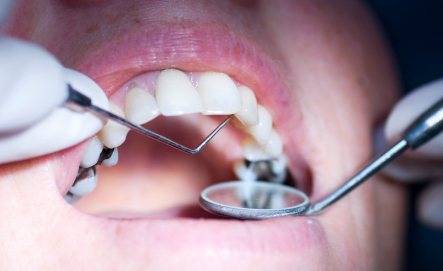 Cavities are a common problem, but catching them early can make a big difference. Understanding what to look for allows you to take quick action and preserve your dental health. This article will help you recognize the signs of a new cavity so you can discuss them with your dental professional. Cavities are a common problem, but catching them early can make a big difference. Understanding what to look for allows you to take quick action and preserve your dental health. This article will help you recognize the signs of a new cavity so you can discuss them with your dental professional.
Early Warning Signs
Sometimes, the first signs of a cavity are subtle. You might not even notice them at first! One early indicator is sensitivity to certain temperatures. Do you wince when you eat something very cold, like ice cream, or very hot, like coffee? This fleeting sensitivity could mean the enamel, the protective outer layer of your tooth, is starting to erode.
Another early symptom is sensitivity to sweet foods and drinks. If you feel a twinge of pain after eating candy or drinking juice, it's a sign that a cavity may be developing. This happens because the bacteria that cause cavities thrive on sugar, and their activity irritates the exposed tooth structure.
Visual Clues
While you can't always see a cavity, sometimes there are visual cues. Look closely at your teeth, especially in the grooves on the chewing surfaces and between teeth. Do you see any small white spots that look different from the rest of your tooth? These spots can be areas where the enamel is losing minerals, a precursor to a cavity.
As a cavity progresses, the white spot can turn into a darker spot, like brown or black. These are more obvious signs that decay is present and needs attention. You might even see a small pit or hole in the tooth.
Pain and Discomfort
Pain is a common symptom of cavities, but it doesn't always happen right away. In the early stages, you might only experience pain when something touches the affected tooth. As the cavity gets bigger and deeper, the pain can become more constant and severe. It might throb or ache, and it could interfere with your ability to eat and sleep comfortably.
Sometimes, a cavity can cause pain that seems to come from another tooth or even from your jaw. This is called referred pain, and it can make it difficult to pinpoint the exact location of the problem.
What To Do
If you notice any of these symptoms, it's important to schedule a dental check-up. Your dentist can examine your teeth, take X-rays if needed, and determine if you have a cavity. Early detection means smaller restorations and less discomfort.
Remember, good oral care is your first line of defense against cavities. Brush your teeth twice a day with fluoride toothpaste, floss daily, and limit sugary snacks and drinks. Regular dental visits are also essential for preventing and treating cavities. The goal of restoration dentistry is to bring the tooth back to its original form and function, which is always easier and better for you the sooner the problem is detected. Taking care of your teeth today will help you maintain a healthy smile for years to come.
|
|